This analysis reveals that this sudden price jump is a combination of factors directly triggered by a climate event and amplified by existing supply-side pressures and speculative market dynamics. The primary objective of the report is to examine in detail the immediate and structural drivers of this volatility and to offer strategic insights into future market movements for relevant stakeholders.
The primary driver of this rapid price increase was the market's immediate response to confirmed frost damage in major production regions like Giresun and Ordu. This event reinforced a market narrative already built on expectations of a low yield (harvest quantity). The TMO's decision to temporarily halt the sale of hazelnuts from its own stocks further tightened supply, reinforcing this price increase. These decisions clearly demonstrated the state's commitment to supporting producer incomes.
Structural Context The short-term price increase was built on long-term and deep-rooted supply security issues. These issues include the chronic threat posed by the brown skunk pest and producers' low harvest expectations. Macroeconomic factors also support this situation; this analysis demonstrates that the volatility in the hazelnut market is not merely a cyclical phenomenon but a reflection of deep structural challenges stemming from both agricultural and economic conditions.
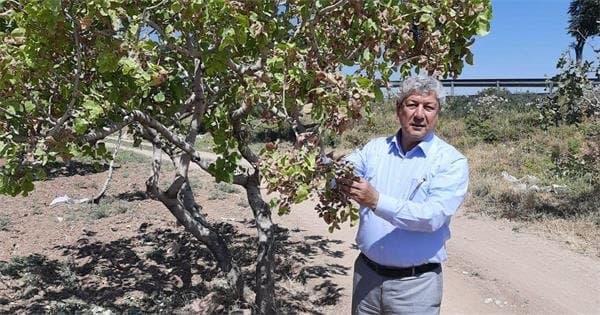
The most direct and obvious reason behind the recent rapid increase in hazelnut prices was the agricultural frost that occurred in key production regions like Giresun. This event instantly revitalized the market. The market's rapid and sharp response demonstrates the already high level of supply concerns. The frost confirmed that low yields were not merely a possibility but a tangible reality, creating panic among buyers and leading to a rapid upward price correction.
Hazelnut production is an agricultural activity with sensitive ecological requirements and is highly sensitive to weather conditions. Adverse conditions such as frost, drought, or excessive rainfall can directly affect yields. This recent frost event served as the final factor that disrupted the already tense market balance, suddenly transforming the rhetoric of "low supply" into a tangible reality. This demonstrates that the price increase is not merely a physical loss of yield but also a reflection of market actors' future expectations.