Herbal products with confirmed clinical safety features are attractive starting material for the identification of new antiviral activities. Here we demonstrate that Cistus incanus (Ci) herbal products inhibit human immunodeficiency virus (HIV) infections in vitro. Ci extract inhibited clinical HIV-1 and HIV-2 isolates, and, importantly, a virus isolate with multiple drug resistances, confirming broad anti-HIV activity. Antiviral activity was highly selective for virus particles, preventing primary attachment of the virus to the cell surface and viral envelope proteins from binding to heparin. Bioassay-guided fractionation indicated that Ci extract contains numerous antiviral compounds and therefore has favorably low propensity to induce virus resistance. Indeed, no resistant viruses emerged during 24 weeks of continuous propagation of the virus in the presence of Ci extracts. Finally, Ci extracts also inhibited infection by virus particles pseudotyped with Ebola and Marburg virus envelope proteins, indicating that antiviral activity of Ci extract extends to emerging viral pathogens. These results demonstrate that Ci extracts show potent and broad in vitro antiviral activity against viruses that cause life-threatening diseases in humans and are promising sources of agents that target virus particles.
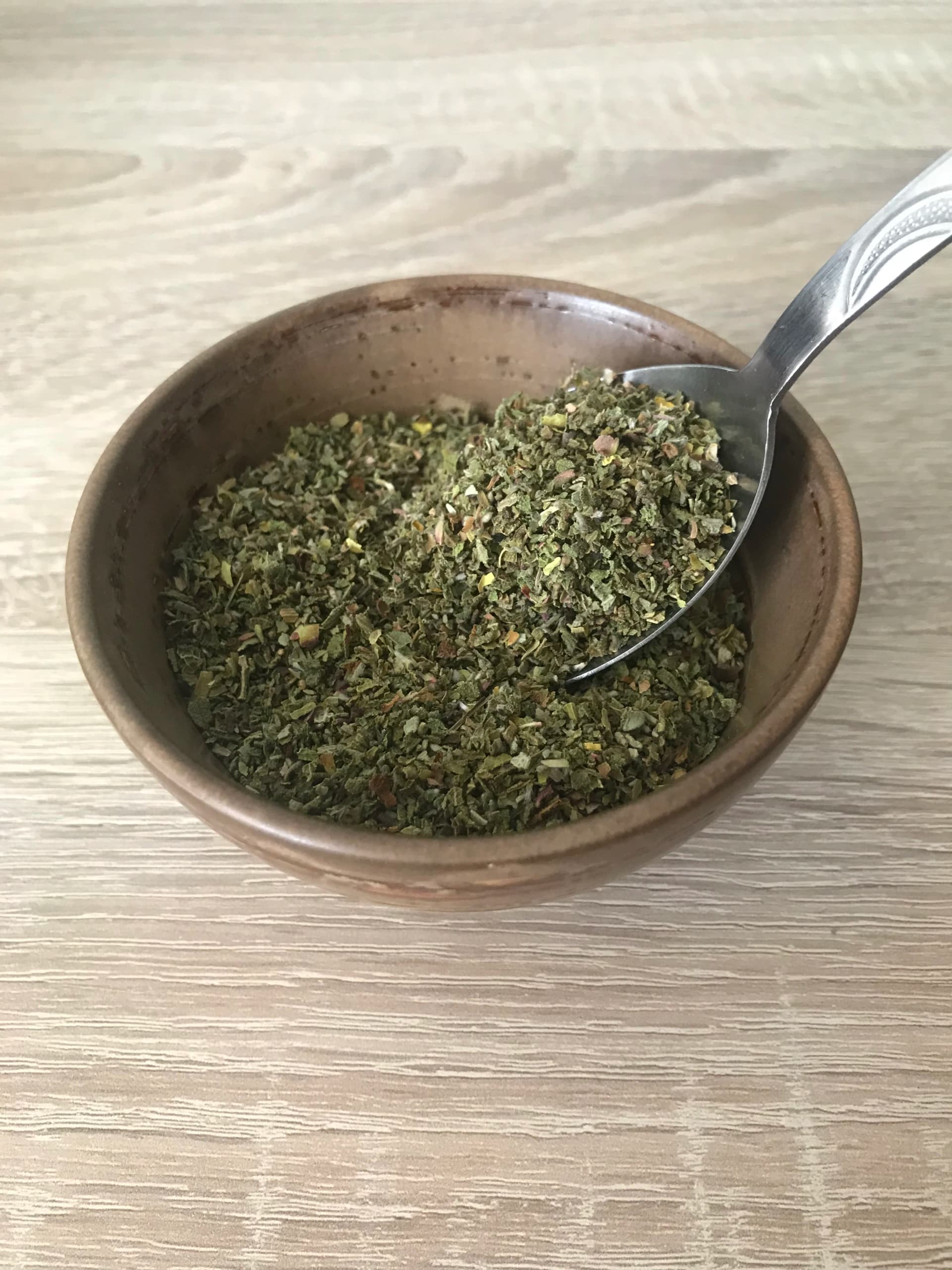
In this study, we investigated antiviral activities of Cistus incanus (Pink Rockrose) against HIV and Filoviruses. Cistus incanus (Ci) is native to Mediterranean regions of Southern Europe and North Africa and belongs to a different taxonomic order (Malvales) than Pelargonium sidoides (Geraniales). Ci extracts have been shown to have anti-inflammatory, anti-oxidant, antimycotic and antibacterial activities16,17,18,19. Ci is rich in polyphenols18,19,20,21,22,23, a chemical class of compounds that includes many representatives with antimicrobial/antiviral activities24,25. Furthermore, Ci extracts were demonstrated to inhibit infection by influenza A virus21,26. Different Ci preparations are commercially available, including a CYSTUS052® decoction, throat lozenges and a herbal tea. Clinical studies performed with patients with upper respiratory tract infections revealed decreased symptoms and less adverse effects in treated patients compared to control patients, indicating clinical efficacy and a favorable safety profile of CYSTUS052®27,28.
Together these results demonstrate that Ci extract blocks attachment of viral particles to cells and thus inhibit viral entry into host cells.
Antiviral activity of Ci extract targets HIV envelope proteins To verify whether antiviral Ci components target virus particles or host cells, we preincubated either cells or virus particles with Ci extract prior to infection. Preincubation of LC5-RIC cells with Ci extract had no effect on virus infection (Fig. 4A). In contrast, preincubation of virus particles with Ci strongly decreased infection, yielding infection levels even lower than those obtained by simultaneous addition of Ci extract and virus to cells (i.e. standard assay conditions). These results indicate that Ci extract directly affects virus particles.
There is an urgent need for potent, inexpensive and safe antiviral agents to enable treatment of acute and chronic life-threatening viral infections on a global scale. Various medicinal plants have been shown to inhibit major human viral pathogens like Herpesviruses, Dengue Viruses, Hepatitis B and C viruses and HIV13,38,39,40,41,42,43. Despite of these extensive studies, herbal products have not yet been advanced into broadly available, safe and efficacious medicinal agents for global treatment of viral infections44.
The standardized commercial Ci extract Cystus052® has undergone clinical testing, displays many biological activities beneficial to human health and was previously shown to inhibit Influenza A virus replication in cell culture26 and in an animal model21 (see also Introduction). Here we demonstrate potent antiviral effects of Ci extract against HIV and Filoviruses and show that Ci extract targets viral envelope components, blocking attachment of virus particles to cells.Treatment with Ci extract blocked delivery of the viral RNA into cells, demonstrating that Ci acts at the level of entry. Time-of-addition assays indicated that Ci treatment blocked entry of the virus at a very early stage, preceding fusion of viral and cellular membranes.
Not only HIV-133 but numerous other unrelated viruses use heparin and heparan sulfate moieties of proteoglycans for primary attachment to cells. In addition to Filoviruses, these include Herpes viruses and Hepatitis B and C viruses.
Our finding that Ci extract blocks binding of viral components to cell moieties used by numerous viruses for attachment provides further support for broad activity of Ci extract against different viruses.
it is important to point out that we do not advocate the use of Ci extract as drug on the basis of the results presented in this study. Evaluation of the potential of Ci extract for in vivo antiviral therapeutic applications requires extensive future investigations.
Another avenue for exploration of in vivo application of Ci extract is its potential use as topical microbicides to prevent sexual transmission of HIV transmission64. The resistance of antiviral activity to low pH and high temperatures found in this study are further encouraging properties of Ci extract supporting its exploration for topical applications.
Ci extract combines broad antiviral activity with low risk of virus resistance. Its mechanism-of-action involves blocking of primary virus attachment to cells by selective targeting of the viral envelope glycoproteins. In contrast, many other natural products with broad-spectrum antiviral activity target host cell components67. Our results demonstrate that multiple antiviral components within the Ci extract block virus attachment to the host cell. Altogether, the broad and potent in vitro antiviral effects of Ci extract demonstrated in this study support the further exploration of Ci extract and its components for novel antiviral approaches.
Published: 02 February 2016