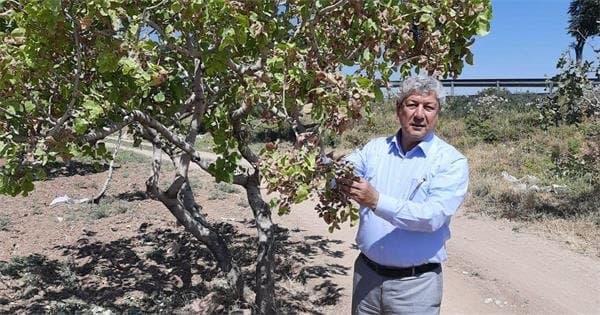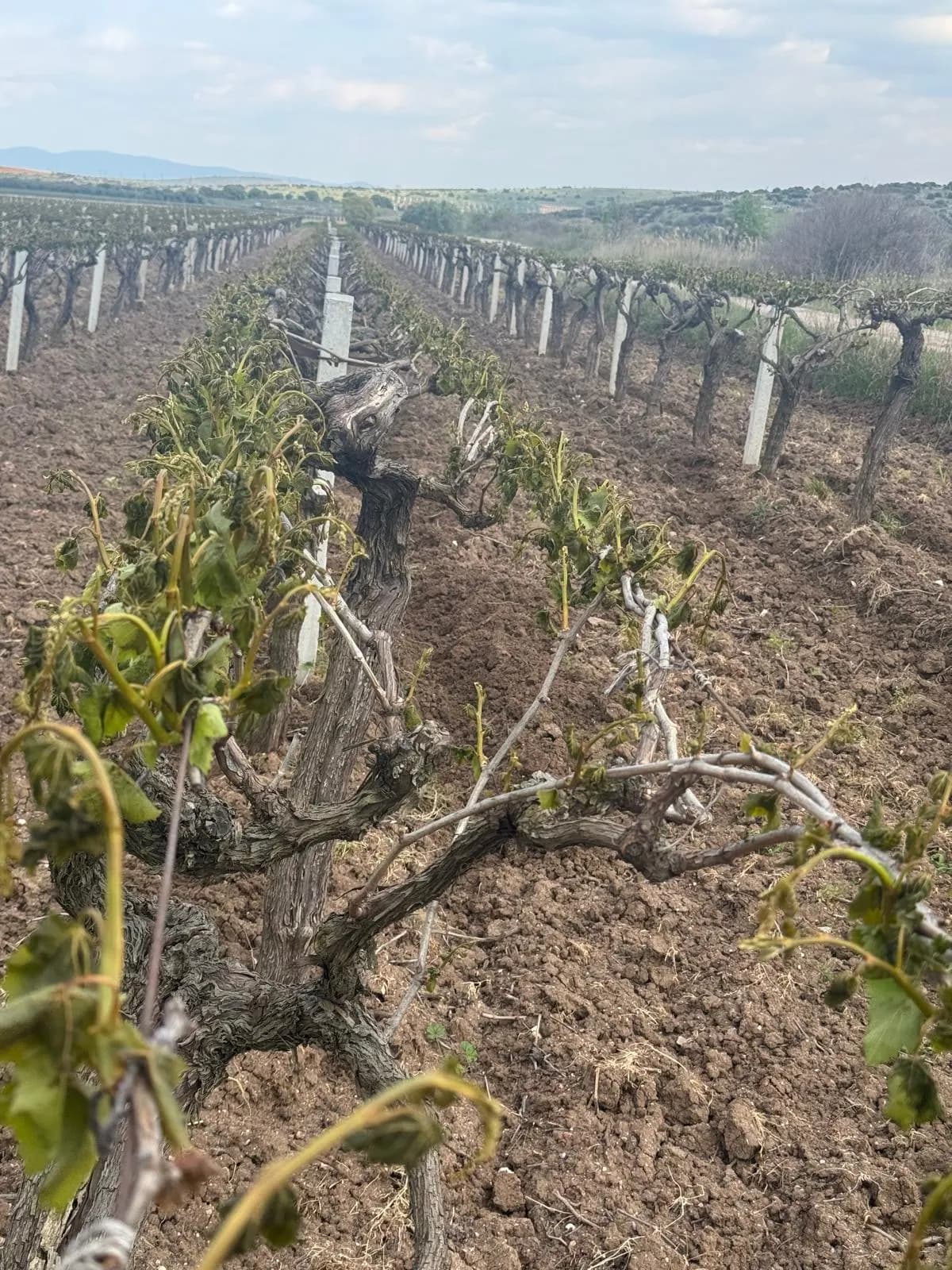
Impact on Crops and Regions The frost damaged various crops, particularly fruit trees and vineyards. In Manisa, nearly 80% of vineyards were affected, potentially leading to grape shortages. Malatya saw 85% of its apricot production impacted, risking over $500 million in annual revenue. Other regions like Elazığ, Isparta, and Çorum reported damage to apricots, walnuts, cherries, peaches, and plums, while wheat and barley in Malatya were less affected. Farmers in Bursa and Nevşehir lit fires to protect trees, but the damage was extensive.
Detailed Survey Note: Analysis of the April 2025 Agricultural Frost in Turkey This note provides a comprehensive analysis of the agricultural frost event that occurred in Turkey from April 10-12, 2025, based on available reports and official statements. The frost, described as one of the most severe in recent history, had significant implications for crop production, regional economies, and government responses. Below, we detail the event, its impacts, and the official reactions, ensuring a thorough understanding for stakeholders and researchers.
Economic and Long-Term Implications Turkey's agricultural sector is a cornerstone of its economy, with exports of fruits like apricots and grapes playing a significant role. The damage, particularly in Malatya, where apricots contribute over $500 million annually, could lead to reduced exports and higher domestic prices. The need for replanting and recovery efforts may strain resources, affecting farmers' livelihoods for years. Reports suggest that inflation, already high in early 2025, could rise further due to supply shortages, as noted in discussions around similar weather impacts in March 2025 on citrus crops (AGBI).
The event also raises questions about climate resilience. With climate change driving more extreme weather, such frosts may become more frequent, necessitating investment in adaptation strategies, such as hardy crop varieties and improved irrigation systems, as suggested in broader climate discussions (Wikipedia).
Conclusion and Future Considerations The April 2025 frost event in Turkey underscores the challenges posed by extreme weather to agricultural communities. While the government's response is a step forward, the scale of damage suggests a need for enhanced preparedness, including better forecasting, insurance schemes, and climate adaptation strategies. This event serves as a case study for the broader impacts of climate variability, urging stakeholders to prioritize sustainable agricultural practices to safeguard food security and economic stability.