Agricultural frost in the Black Sea and Central Anatolian highlands has prevented beehives from finding nectar and pollen; productivity per hive has decreased by 40–50%, and while honey production is falling, prices are bound to rise.
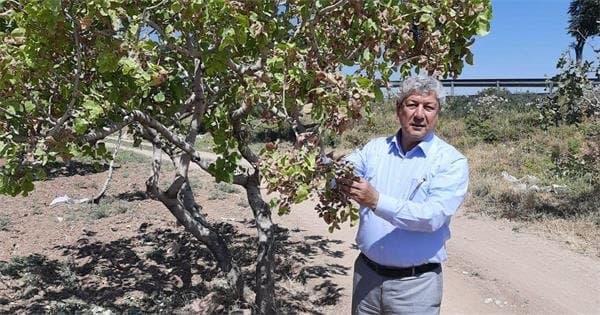
In the high plateaus of the Black Sea and the northern parts of Central Anatolia, frost froze flowers, preventing bees from collecting pollen and nectar. Şahin, who said, “Some of our producers report that the yield per hive has fallen by half,” indicated that honey production in the region, which reached 31,777 tons last year, will experience a sharp decline this year.
Damage assessment studies have been initiated for many agricultural products hit by the frost, but beekeeping is not on this list. Şahin said, “Beekeeping is a strategic sector; it is essential for the sustainability of plant production. Our producers are nomadic and travel 20,000 kilometers per year. We are not given the fuel support provided to farmers,” and requested a special support package from the Ministry of Agriculture and Forestry.
According to TAB data, the number of hives in Turkey has reached 9 million today, while it was 3.5 million in the early 2000s. In contrast, the yield per hive dropped from 22-25 kilos to 16-17 kilos. Şahin, who said, “We should increase our pastures, not the number of hives,” called for new pasture areas and input support for the sustainable growth of beekeeping.
TAB : Turkish Beekeepers Central Union